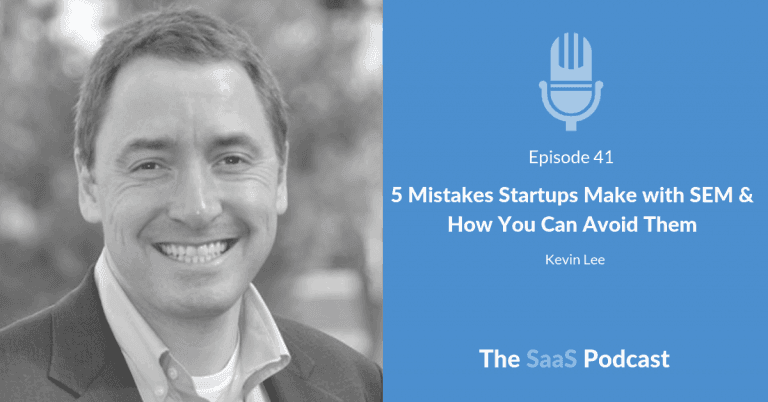
Kevin Lee, We-Care.com
SaaS Content Marketing on a $400/Month Budget
Kevin Lee is the founder and CEO of We-Care.com, a service that allows online shoppers to donate a percentage of their purchases to nonprofits at no cost. The platform has partnered with over 2,500 merchants including Travelocity, Sears, and Apple, raising over $7.8 million for causes. Kevin is also the co-founder and CEO of Didit, an award-winning full-service digital marketing agency that has been in business for almost 20 years. In this conversation, Kevin shares hard-won lessons about SaaS content marketing and search engine marketing from working with companies of all sizes. He explains why startups face a built-in Quality Score disadvantage against established brands, and how that translates directly into higher costs per click. When searchers see a familiar brand name in the results, they click it more often, which gives that brand a lower effective CPC. Kevin walks through how to build a profitable SaaS content marketing and paid search strategy on a shoestring budget. His advice: start by narrowing your campaign to the highest-profit keywords, geographies, times of day, and devices. Then combine that with retargeting, but with a critical rule - always set frequency caps so you don't stalk your prospects. He also explains how content marketing, email, and social CRM can feed retargeting audiences that are far cheaper than competing on expensive auction keywords.