SaaS Club
PodcastPlaybooksCoachingSponsorFree ToolsJoin Community
saasclub

Helping SaaS founders build and scale profitable businesses since 2014. Powered by real experience from 472+ founder conversations.

Content

  • The SaaS Podcast
  • Founder Playbooks
  • Blog
  • Newsletter
  • Free Tools

Programs

  • Plus
  • Launch
  • Mastermind
  • Accelerate

Company

  • Contact
  • Become a Sponsor
  • Suggest a Guest
  • Terms
  • Privacy

© 2026 SaaS Club. All rights reserved.

Built with ❤️ for SaaS founders

Exits & Acquisitions

Selling a SaaS Business

How SaaS founders sold their companies. Exit timing, valuation negotiations, and the real stories behind 7 and 8-figure acquisitions.

Real founder strategies. Delivered weekly.

Free weekly newsletter · No spam

Selling your SaaS business is one of the biggest financial decisions you'll ever make. And most founders go into it with almost no information about how the process actually works.

These episodes change that. You'll hear from founders who sold their companies for seven and eight figures. They share the details that matter: how they knew it was the right time, how they found buyers, how they negotiated terms, and what happened after the deal closed.

The stories span a wide range of outcomes. Some founders sold to strategic acquirers who wanted their technology or customer base. Others sold to private equity firms or through brokers and marketplaces. A few received unsolicited offers and had to decide on the spot whether to entertain them. You'll hear about founders who regret selling too early, and others who are grateful they sold when they did.

The practical lessons are incredibly specific. How to prepare your business for a sale months or years in advance. How to think about valuation multiples for different types of SaaS businesses. What due diligence actually looks like from the founder's side. How to structure earnouts and transitions so you don't get burned.

Several founders also talk honestly about the emotional side. The identity crisis after selling. The non-compete that kept them on the sidelines. The relief mixed with regret.

Whether you're thinking about an exit someday or actively exploring one now, these conversations will prepare you for what's ahead.

Browse by topic:AllBootstrappingFirst CustomersProduct-Market FitEnterprise SalesProduct-Led GrowthPricing & MonetizationFounder-Led SalesPositioning & DifferentiationChurn & RetentionContent & Inbound MarketingExits & AcquisitionsFundraisingAI-Powered SaaS

Get weekly SaaS insights

Real founder strategies. Delivered to your inbox.

Free weekly newsletter · No spam

←All Episodes
How a £4,000 WordPress Plugin Became a Bootstrapped SaaS Exit - James Ashford

James Ashford, GoProposal

How a £4,000 WordPress Plugin Became a Bootstrapped SaaS Exit

James Ashford is the founder of GoProposal, a proposal and pricing platform for accountants which he bootstrapped and sold for an 8-figure sum. James didn't have a tech background. He wasn't an accountant. And he'd never built software before. But he noticed something broken: accountants couldn't price their services. They'd guess fees based on what the last client paid. Proposals took days. Deals fell through because people got busy. So he built a simple solution. A digital menu that let any staff member price and close deals in 15 minutes. The first version? A WordPress plugin that cost £4,000 to build. Before writing a single line of code, James did something unusual. He calculated how much money he needed to never work again (£5 million), identified the companies that might acquire his business (Sage, Intuit, Xero), and printed their logos on his wall. This wasn't optimism - it was his bootstrapped SaaS exit strategy from day one. To crack the accounting industry as an outsider, he traded 10% of his software company for 10% of an accounting firm. Instant credibility. Then he wrote a book in two weeks, made it an Amazon bestseller, and used it to build a waitlist of hundreds before launch. His marketing philosophy was simple: market like a celebrity chef. Gordon Ramsay shows you how to cook his recipes for free. You still go to his restaurant. James gave away everything - the methodology, the frameworks, the exact playbook. People still bought the software because they wanted it done faster. The bootstrapped SaaS approach forced creativity. When he realized a single conference cost £25,000, he hired a full-time videographer instead. Twelve months later, the pandemic hit. Competitors who relied on events were stuck. GoProposal dominated online. By the time he sold, GoProposal had over 1,100 customers, a 78 NPS score, and playbooks for every single process in the business. Three potential acquirers approached him within months of each other. The exit price? 8 figures. The multiple? One he still doesn't publicly share because it was "crazy."
Selling a Bootstrapped SaaS: Avoid These Mistakes - Andrew Gazdecki

Andrew Gazdecki, Acquire.com

Selling a Bootstrapped SaaS: Avoid These Mistakes

Andrew Gazdecki is the founder and CEO of Acquire.com, the largest marketplace for buying and selling SaaS startups. Before starting Acquire.com, Andrew bootstrapped and sold his own SaaS company. He grew it to $10 million in annual recurring revenue, but when he went to sell, the process was a massive headache - he spent years finding a buyer and had no idea what due diligence or legal terms meant. That painful exit became the inspiration for Acquire.com. Today, the platform has helped over 2,000 startups get acquired, with total deal volume exceeding $500 million. Andrew explains how bootstrapped SaaS businesses are ideal acquisition targets for financial buyers like private equity firms, family offices, and individual entrepreneurs. Andrew reveals the three biggest mistakes sellers make: overvaluing their business, refusing earnouts or creative deal structures, and failing to get their house in order before listing. He walks through the full selling process on Acquire.com - from creating a draft listing, to going live with over 500,000 registered buyers, to using deal schedules that create momentum and drive competing offers. On the buying side, Andrew covers red flags to watch for, why code quality matters less than distribution and customers, and how one buyer turned a $25-50K acquisition into a $2M revenue business by rebranding it as pdf.ai. He also discusses the growing wave of AI-first bootstrapped SaaS businesses and why the barrier to entry for building these companies keeps getting lower.

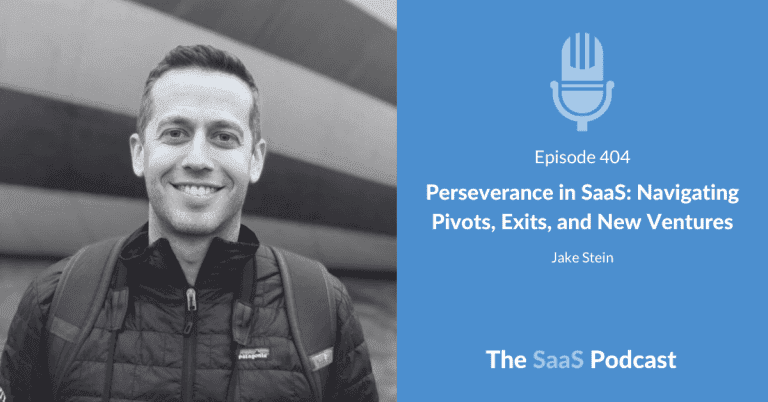
Perseverance in SaaS: Navigating Pivots, Exits, and New Ventures - Jake Stein

Jake Stein, Common Paper

Perseverance in SaaS: Navigating Pivots, Exits, and New Ventures

Jake Stein is the co-founder and CEO of Common Paper, a platform that provides standardized contracts and contract management software for B2B software companies. In 2008, Jake and his co-founder Bob Moore started RJ Metrics, a business intelligence company, working out of Bob's attic without taking salaries for the first year and a half. Those early years were grueling as Jake and Bob struggled with finding product-market fit, acquiring customers, and generating enough revenue to stay afloat. By 2012, they finally found traction and grew the business, raising over $20 million in venture capital. But their success was short-lived. In 2015, their business model was disrupted when Amazon launched Redshift, causing RJ Metrics to stop growing. They were forced to do painful layoffs and eventually sold the company in what they described as an "OK exit". But the story didn't end there. In 2016, Jake and Bob spun off a small feature of RJ Metrics into a new company called Stitch. In a whirlwind 18 months, thanks to perfect timing and execution, they sold Stitch for $60 million – a far more successful exit than their previous venture. Drawing from these experiences, Jake launched Common Paper in 2021 to solve the widespread problem of contract standardization. But finding success hasn't been easy. Their initial product focused on NDAs, but it failed to gain traction, with months of enterprise customer conversations resulting in zero conversions. Forced to pivot, Jake and his team scrapped their initial model and refocused on more complex agreements for early-stage B2B SaaS companies. Today, Common Paper is a seed-stage company with 8 team members. They have 140 paying customers, and thousands of companies have used their platform to close deals worth tens of millions of dollars.

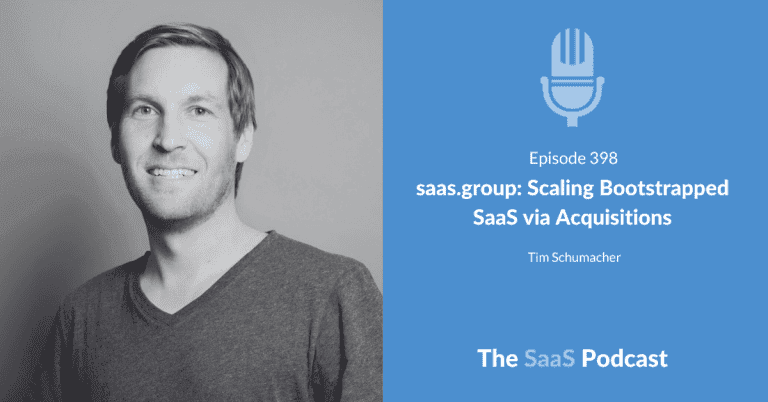
saas.group: Scaling Bootstrapped SaaS via Acquisitions - Tim Schumacher

Tim Schumacher, saas.group

saas.group: Scaling Bootstrapped SaaS via Acquisitions

Tim Schumacher is the co-founder of saas.group, a company that acquires and operates a portfolio of small and independent SaaS businesses. For bootstrapped SaaS founders who have built a solid product and customer base, selling to an acquirer like saas.group provides two attractive paths forward. Founders who are ready for their next adventure can take a well-deserved exit, while those who want to keep growing their business can tap into saas.group's resources and expertise to accelerate growth. With a current portfolio of 18 SaaS companies generating over $60 million in annual recurring revenue, Tim has a wealth of experience and insights to share.

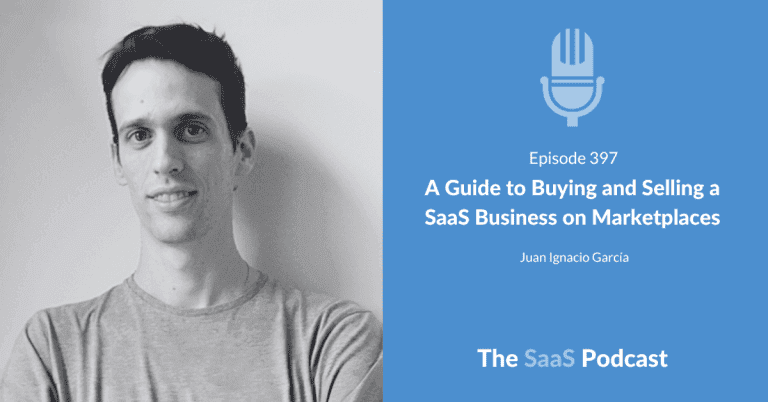
A Guide to Buying & Selling a SaaS Business on Marketplaces - Juan Ignacio Garcia

Juan Ignacio Garcia, Boopos

A Guide to Buying & Selling a SaaS Business on Marketplaces

Juan Ignacio Garcia is the founder and CEO of Boopos, the #1 platform for buying and selling profitable online businesses with built-in financing for qualified buyers. Buying an established SaaS business can be an attractive alternative to starting one from scratch. You get to skip the initial stages of finding product-market fit and start with paying customers and revenue. On the flip side, selling your SaaS business can be an exciting and potentially life-changing event, allowing you to cash out and move on to new adventures. But the process can be complex and daunting, especially for first-timers.

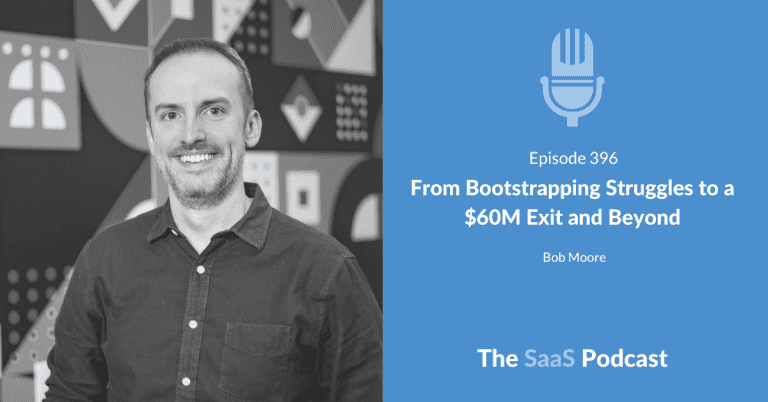
From Bootstrapping Struggles to a $60M Exit and Beyond - Bob Moore

Bob Moore, Crossbeam

From Bootstrapping Struggles to a $60M Exit and Beyond

Bob Moore is the co-founder and CEO of Crossbeam, a SaaS platform that helps companies find overlapping opportunities with their partners to drive revenue. In 2008, Bob and his co-founder Jake started RJ Metrics, a pioneering cloud analytics platform, which they bootstrapped for the first three years. Those early years were grueling as the founders struggled with finding product-market fit, acquiring customers, and generating enough revenue to stay afloat. Despite being early to the market, by 2012 they found traction, grew the business, and raised over $20 million in venture capital. However, in 2015, their business model was disrupted and the company stopped growing. Eventually, they sold the company in a deal Bob described as "good but not great". In 2016, Bob and Jake spun out a piece of RJ Metrics' technology used for helping companies move data between systems into a new company called Stitch. In a lightning-fast 18 months, thanks to a stroke of good fortune and timing, they sold Stitch for $60 million, a much more successful exit than their previous venture. But Bob wasn't done yet. In 2018, he co-founded Crossbeam, a partner ecosystem platform to help companies build more valuable relationships with their partners. But to make it work, both parties had to sign up simultaneously, which created a complex "landing two jumbo jets at once" scenario, as Bob described it. Initially, this made it extremely challenging to grow the business, forcing the founders to come up with more creative solutions to onboard companies. Adding fuel to the fire, GDPR compliance became a priority just as they launched, creating even more complexity. Despite the hurdles, Bob and his team persevered. Leveraging their network, they onboarded early adopters, and after two years of hard work, the network effect kicked in, helping to fuel growth. Today, Crossbeam generates eight-figures in annual recurring revenue (ARR) and serves nearly 20,000 companies. Their team has grown to over 100 people, and they've raised just over $116 million in venture capital to date.

Boast.ai: The Tough Road to SaaS Success and Beyond - Lloyed Lobo

Lloyed Lobo, Boast.ai

Boast.ai: The Tough Road to SaaS Success and Beyond

Lloyed Lobo is the co-founder of Boast.ai, a fintech platform that helps companies streamline the process of claiming and financing R&D tax credits and government incentives. In 2012 Lloyed set out on his entrepreneurial journey, but for years he faced setbacks and disappointments, with multiple failed ventures. Lloyd's early efforts to get traction with Boast, especially cold-emailing, led to repeated rejections, which ultimately forced him to reevaluate his approach and pivot towards community building. This strategy proved vital for growth, helping him better understand his customers and expand through referrals and partnerships. But, reaching their first $1M in revenue was still full of challenges. However, after several years, Lloyed and his co-founder successfully transitioned Boast.ai from a services back to a product-based company. After nearly a decade of persistence through rejections and hardships, Lloyed's idea evolved into a thriving enterprise, surpassing the $10M ARR milestone. Selling the majority stake in Boast.ai was a moment of triumph for Lloyed, but it also ushered in new personal challenges and a reevaluation of his life priorities.

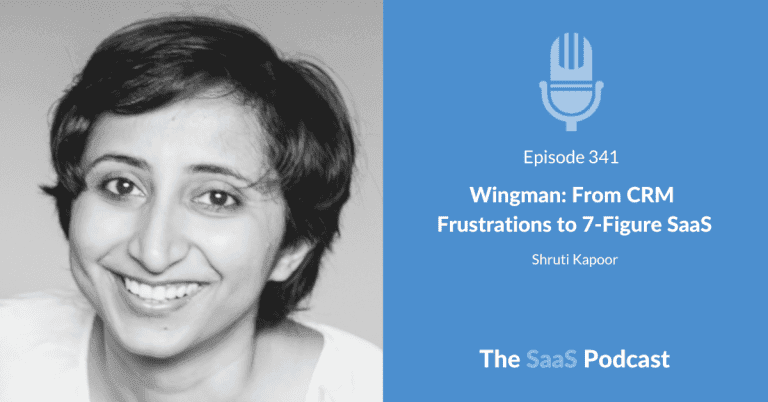
Wingman: From CRM  Frustrations to 7-Figure SaaS - Shruti Kapoor

Shruti Kapoor, Wingman

Wingman: From CRM Frustrations to 7-Figure SaaS

In this episode, I talked to Shruti Kapoor, the co-founder and CEO of Wingman, a SaaS product that helped sales teams get better results by providing them with real-time insights from every sales interaction. In 2017, Sruthi was working for a FinTech company in India and ended up running a sales team, but she constantly struggled to get the CRM to work the way their team needed. And she couldn't find a good alternative solution, so she and two friends got talking and decided to start their own startup. The following year they launched the first version of their product, but getting customers was a struggle when they started out. Their first 40 meetings with prospective customers resulted in zero sales. Despite the rocky start, they've grown their SaaS company to multiple seven figures in ARR and in 2022, sold the business. In this episode, we talk about the struggles and challenges the co-founders faced while starting and building their SaaS business. What they did after failing to close even a single sale after 40 meetings with prospective customers, how they've used online groups and communities to find customers by getting their existing customers to post and talk. And we talk about how they've used SEO, content marketing and social media to create an inbound marketing engine that drives over 90% of their revenue today. I hope you enjoy it. All right, Shruti, welcome to the show. And I think that's an important lesson in life overall you know, not just for founders. One, get sales folks better coaching feedback to enable them in real time. So as they're going through a call, if you could get the feedback versus, you know, waiting for the manager to review the call a week later and then, you know, maybe have a coaching session two weeks and three, it enables people to get a full picture of what their pipeline looks like, where their deals are so that they can go and, you know, make sure that they're doing everything that they need to win. Decided I wanted to get my hands dirty with startup. Joined a FinTech company called Payoneer and, you know, figured that I would be best suited to figure out their go-to-market strategy right knowing absolutely nothing about go-to-market strategies. And at that point, you know, what that meant was working with the product and the marketing teams and of course creating the sales team, going out and selling myself and trying to get those early customers for Payoneer in India. And through that process I kind of realized some of the challenges you know that I'm trying to solve with Wingman. One of them was definitely not knowing why certain sales reps in my team were doing so well, and some reps who were putting in a lot of effort but still not getting the numbers. So, I think that's kind of where I got curious and said, listen, I want to join your calls, but then it becomes too onerous. You know, one out of every two or three calls will get canceled. You waste so much time. And so, I was like, you know what? If they could just record their calls and then I could go back and review it. But the other challenge was that because we were a distributed team, we have product and marketing sitting in Israel and then, you know, sales sitting in every country that they were selling to. And so, the other challenge that I was frustrated by is getting the voice of customer over to product. So, I think both of those as I thought more and more about it, I was like, you know, if we could only have these calls recorded, archived, searchable that would be a gold mine. And that's where the journey started. Like, how do I get value out of this data? Because we understood that this was valuable data, but you know, this is such a large volume of data. The last thing we wanted was that you have all of these call recordings and then you know, nobody is listening to it. So, I think we spent some time in just understanding what the real challenges were, validating that it wasn't just a problem for me. And then, you know, trying to kind build our own MVP. What would an MVP look like? And so that's the context with which we got together. And you're right, it, it took some time for things to come together. So, you know, we met almost a year and a half before we started up. And so, through that period, you know, we were just hanging out, getting to know each other. Brainstorming on a bunch of ideas, trying to validate, invalidated a bunch of ideas. And Muralid and Srikar have known each other since their first jobs out of college, and they were also at Google together. And so, Muralid was very clear that he would want Srikar to also be part of the team when we started off. And he managed to convince Srikar to also quit his job and moved from the Bay Area to India to start this up, Right? So, what we felt was, one, nobody had a clear thesis or understanding of how to use this data. And we felt that, you know, the winner wasn't just because somebody decides to record calls and transcribe them because, you know, recording of calls has existed for at least, you know, a few decades. Right? We felt that the real innovation or you know, where the business needed to be built was. Identifying the right use case for the data and being able to make sure that you're able to deliver that value quickly. And we felt that was not answered when we started building this out, and you know, when we were trying to validate whether or not that was answered, we went and also spoke to some of the customers who were using the computer competitor's products because we wanted to understand like, Hey, if you're using this today, does it solve everything for you or are there still gaps? Through that process, we identified that there were definitely things people were struggling with. And I think that was also an important learning in just knowing that, you know, what people say they will do in an ideal world versus what people do is dramatically different, right? Like I, I know we are all familiar with New Year resolutions and how they land up. And that was exactly the case with sales coaching where, you know, I think the products were built on a promise of saying that, hey, Sales managers are motivated to do sales coaching, and I will build a tool to help them do sales coaching better. But the fundamental problem was that sales coaching doesn't happen as often as people would like. How long did it take to build that 1.0 version of, or the mvp, I guess, of Wingman? Five months. Yeah, I mean, that sounds great. You know, you ship the product, you already got one customer and you get excited and you're like, wow, we're gonna be closing more and more of these deals. But from what I said, it wasn't that straightforward. When you talk to a lot of potential customers and you didn't close any sales. So, so tell us about that . You know, from our network, right? So, these were not customers who we did not know, and therefore you know, these were really useful customers for, you know, as co building partners and, you know, for giving us early product feedback, et cetera. But what we wanted to do was to, of course, and you know, you need to do that. Is make sure that you actually also reach out to customers who are buying the product for the sake of the product and don't necessarily know you. I think the first challenge that we hit was even with these friendly customers that we had early on, they were not using the product the way we would expect them to. Right. So, we were hitting the same roadblocks in terms of product usage. And you know, that was baffling, but I think that was also our own lesson in understanding that, you know what people say they would do, and what they actually do is different. And so we had to kind of go and really sit down, understand what their workflows look like, tweak you know, the product, understand what is the first, you know, wow moment we could deliver them and you know, how do you make that repeatable, et cetera. So there was some work required there. The second thing we did was, like I said we kind of went and spoke to people who were using the competitor's products and understood, you know, what were the challenges they were facing? Was it a product issue or was it just setting the right expectations? And then what we did was once we felt we were ready to kind of scale up, we you know, at that point we launched. Dramatically new feature for the product, which was this whole idea of being able to give real time feedback to salespeople while they were on sales calls. And we felt that was, you know, going to hit the nail on the head. That was allow going to allow people to actually coach without being there. And we were you know, ready to kind of take it to the market. So we got a sales consultant to help us you know, accelerate that process of reaching out to new customers. And that person set up you know, great meetings for us. He set up 40 meetings with our ICP companies and, you know, we, we sold exactly zero to those 40 customers and we were like, you know, something's not right. And that was really tough because we felt at that point, you know, we had a good product, we had a real differentiation and we were talking to the people that we wanted to be selling to. And so that was the point where we were like, you know, there's something that we need to go back and think about. And I think what we realized at that point is you know what the product does right and what the promise is. Sometimes as founders, we tend to oversell the promise as well. But what we don't account for is, you know, how the customer is thinking about it in terms of. Their implementation costs or effort required to get value out of it. So that was the challenge that we were facing in getting people to, you know, adopt this new real-time feedback mechanism. And so, you know, once that became clear to us we were able to kind of go and make changes to say, how do we make this easier and quicker to get value out of? Give me one example of that. Like what was it that was, that you realized they were seeing as difficult to implement and get started with? Like, what did they have to do that they didn't want to do? Right. So if somebody says you know, talks about discount, then we want like, these three talking points to show up for the salesperson. And that was what we needed sales enablement to do but this wasn't something that they were used to doing because they're used to, you know, creating content either for trainings which is typically long form or, you know, self-service content, which is, you know, these detailed documents. They're not used to writing like three bullet point pieces of content. But the other struggle that they had was they did not, they were also not kind of sure whether they knew what content they. All right. So, so to them it seemed like they needed to invest in something without fully understanding, like, you know, how that would work or how that would get them results. And I think it was also a case of, you know, the stakeholder who was going to be the decision maker versus the person who needed to actually implement the product and get value were different people and, you know, we didn't kind of know how to navigate that well. And I think that was, a reflection of you know, us as founders because none of us had actually worked in SaaS. Right? None of us had actually also worked in a situation of understanding how a multi-stakeholder, you know, product adoption cycle looks like. And you know, how do you kind of navigate that from a sales and post sales point of view. So that's kind of a difficult leap to make. So, so how did you solve that? I mean, that's, I think this is something that a lot of SaaS founders go through that the perceived work, even though the customers might not say it, and it sounds like the 40, or at least the 39 people you spoke to, weren't that explicit about it. But it's, I think it's a common problem. So how did you go about solving it? So in our case, like with the real time feedback and you know, just having a real time note taker there we identified that, you know, giving feedback on behavior did not require any setup. So I could have something that tells them that, Hey, you've been on a long monologue and we didn't need the manager or anybody else to do anymore. Similarly we could, you know, use, get them to bookmark parts of the call in real time without, you know, managers or setup needing to do work. So one was identifying pockets that required minimal setup, and using those as the hero examples in those sales conversations versus, you know, using all these complex things that required a ton of setup as the hero example. So it was easy for somebody to say, oh, I can instantly get value. Without putting in a lot of effort. And then if I wanted to put in effort, you know, this is what I could do. Right? So essentially constantly being very diligent about saying, how do I create a wow moment with minimal effort so that then the person, once they see the value, then they will put in the effort. I think the second thing we did was you know just taking away a blank canvas approach and saying, we will give you enough in the canvas so that you only need to fill in the blanks. So, you know, basically creating all sorts of templates that made it much easier for people to say, oh, okay, I only need to write these three bullet points. I know what the use case is. And in some cases we would even use you know, like different methodologies, different sales information that existed to create you know, that set of templates and initial things for them. So again, trying to get, give them value before we ask them to invest effort. So we are still trying to figure, trying to figure out the positioning value, et cetera. And so at that point we did like a bunch of more you know, larger scale launches. And through that feedback cycle we realized that there were some people who were buying the product and not using it for this specific use case. So we were like, you know, the first thing we did was. Became open to saying that we could have different packages of the product for people who might have different levels of tech readiness. So that allowed us to at least start getting some customers who did not necessarily want this complicated feature and who did not care that there was, you know, maybe not a big differentiation story, et cetera. Right? And in the meantime , thankfully the changes that I talked about weren't so much product changes. They were more positioning and conflict changes that, you know, we didn't need longer cycles for. So we were able to quickly iterate on that and like we spent you know, the next four, five months just saying that, we'll just, you know, customers who are interested in buying, we'll just try to listen to them, understand what they're buying for, what they're using the product for, versus trying to get people to adopt everything that we are trying to build on day one. And I think that really helped in you know, getting to the juicier parts of the product. I think the second point was that we were very clear about what our differentiation was. Yeah. Right? And that was around saying, can we actually help people scale coaching? The third thing was that I think we had also spent time and energy in understanding how we might be able to use our geographic advantage and distribution. To actually deliver better value for the customer. So in our case so, so there were basically things around saying how do we make sure that we are going to continue to be competitive? And it's not just about, you know, one feature versus another. And I think those were things that YC really cares about. Like what is your long-term you know, chances of success and why? All right, so we kind of went from, I said, you know, close to zero to six digits in revenue very quickly at that point. And that was, you know, within the matter of those three months or so. From there on you know, we kind of felt that what was working for us was having you know, some sort of inbound funnel or customers because what had worked in getting some of these was you know, we did like a product hunt launch and some you know, some early P R that happened around Visim. And so, what we realized was that we then wanted to start building on that inbound engine. Because, you know, maybe we were not ready for some larger customers. We needed to still build more trust in the market, but we could still be selling to you know, the smaller end of the customers to start with and then you know, work our way up. Which we then very often you know, even for our inbound funnel and marketing overall. We did also get some customers through the outbound engine early on. But what we realized was that inbound seemed like, what could be much more scalable. Of course, early on it was, you know, me as the only person doing sales and marketing and SDR and, you know, all of those fancy things that we have teams for today. And I think, therefore, my approach was to say how do I spread the message across based on what I understand about the sales leader’s buying behavior. And I think that's something that people miss on sometimes, you know, you kind of reach out to multiple people for advice on, hey, how did you get your first 10 customers or your first 20 customers? And people forget that, you know, if you're selling to a salesperson versus to a developer you know, the way they buy a product, the way they evaluate a product, the way they think about the product is very different. And so what we realized was that salespeople one, are very social right? And they like to talk to each other, and they like to get you know, inputs from each other. And a lot of what happens in sales is through word of mouth. And so we kind of just doubled down on that and we said, Where are people giving each other advice and sharing this, right? And so, this was already you know, by now we are already in the times of the pandemic, and we are beginning to see that, you know, there are all these online communities that are popping up. And I think that landed up being very fictitious for us because we were then able to get you know, spread that word of mouth using those communities, those online selected platforms versus just trying to do Google ads or, you know, G2 ads, et cetera. Yeah, so this was, you know, like lots of revenue leaders, slack communities that existed. You know, there are lots of forums were revenue leaders exchange advice. You know, there were Reddit threads that our customers saw where, you know, people are asking questions around, say, price of a competitor, and they were like, hey, you know, we use this tool and this is why. And so, you know, it was very niche targeted communities through which we then built the word of mouth. One thing that a lot of people do, which isn't particularly well taken, is going into a new community that you just joined and just start pitching your product. So, what was the approach that you took if you were telling people about Wingman, how did you get to that point where you were doing it in a way that you know, people were more receptive to it. And I think when you and I were talking, you were saying that you were also getting customers as well to help with, you know, amplifying this word of mouth. So just tell me a little bit about that because there's a right way and a wrong way to do this, and I want to kind of figure out what you did. Like, they don't even have to say anything else. Even if they say, you know, if there's a thread around, hey, what do you use for doing this task? And somebody says, oh, I'm using this, you're much more likely to go check it out versus saying, hey, I'm the founder of and you know, we also do this. So, I think through that right, what we were really looking to do was just amplify the word of mouth from the customers, right? Like, you know, in the real-life situation, we would've expected this to happen through events and through casual networking, you know, social settings. And you know, what we were thinking of was just, you know, today, nobody can step out because of the pandemic. How do we leverage what exists in terms of still spreading the word of mouth? And so, it literally started out that way. Some of our customers initially found like some threats saying, hey, you know, I saw this discussion you know, would you want me to say something on this? And we were like, oh, that's fantastic. And so, it was not us posting about ourselves, I think, which definitely helps. And I think our role in that was really. Identifying where those discussions were happening at some point, and then nudging our customers if needed to say, hey, you know, do you mind just, you know, sharing what your experience has been? Yeah, and I think that worked. One of the lessons that we, that I overall learned in that journey of getting, you know, the first five customers to try to scale that up through inbound was what you really need throughout that journey. One thing that is common, how do you build trust and as you try to scale, how do you amplify that trust through various ways? And I think that was a big learning also from saying that, hey, we hired the sales consultant early on. You know that person was able to set up meetings for us, but we are not able to close. Partially also because that trust doesn't translate. And especially if you're hiring somebody part-time. I think that was that was a big lesson and therefore as we went through this journey, we were always very conscious about, hey, how do we build trust? And how do we continue to scale the ways for building trust? So, so people listening to this can understand like how much volume and sales you're actually driving through your inbound engine now? You know, today of course, we do invest a ton in content. , our approach to content has been can we do something that people actually laugh at or relate to, versus, you know, some more corporate jargon. And I think that has landed well. So, you know, we do partnerships on Instagram around, you know, fun memes on sales, things like that. Just a bunch of educational and thought-provoking posts on social media. So, I think social media is one channel that helps us build brand and be present in conversations. And I think the other piece has definite, so, you know, the other piece has definitely been SEO as well. As you know, things have scaled up and I think today we have a pretty strong game there. And I think the third piece has definitely been you know, continuing to focus on personal brand you know, for the leaders and for other folks in the marketing team because I think that's super important. And so, we make sure that you know, folks are visible and yeah, I think personally I've probably you know, interacted with a lot more people being on several social campaigns, podcasts, et cetera. And that I think again, helps you know, create that recall and brand. It seemed like sales tech was on a consolidation spree. We were definitely getting that feedback from the investors we were talking to as well. And, you know, within a matter of couple of weeks, we happen to get inbound interest from three different buyers. And you know, we haven't started thinking about it, but you know, I was like, hey, maybe there is something here. Let me just go and dig a little bit deeper. And so that's kind of how that conversation started. And I think you know, as a founder, that was something that I was open to at that point just in terms of you know, the fundraise cycles you know, it always makes sense to consider an acquisition. You know, before you do a fundraise work, you know, you can't really get acquired immediately after a fundraise because your investors won't be very happy about that. So, I think in that sense, the timing was good. And so I decided to take a pause and just, explore that a bit. Fundraising can be pretty distracting. We did you know, try to fundraise. , you know, in 2020 mid of 2020 or so. And then I think what we realized was with the pandemic and, you know, sales teams getting laid off we were seeing like, you know, ups and downs in our own business and in the revenue numbers. And what that eventually meant was it wasn't the greatest time to try and fundraise. And then I think, you know, later a lot of times investor sentiment impacts these things. Right. And then as it happened, and the second time that we tried to fundraise was in the middle of the and you know, when we started things were stable, but then suddenly, you know, the whole Delta variant came about. And like, especially in India, it was pretty bad. And investors were just focused on like, you know, helping people actually survive, and it wasn't, again, the greatest time to fundraise. So what you realize is that, you know, sometimes you can't really control the timing on these things, you know. In hindsight, if it works out, then it's great. Right. Like if you're able to fundraise at the top of a you know, valuation cycle but very often you know, as many things in business, it lands up being a little bit of luck.

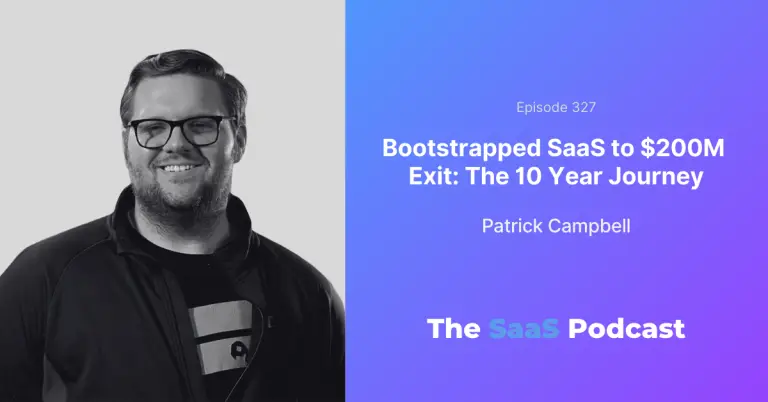
ProfitWell: How Patrick Campbell Bootstrapped to a $200M Exit - Patrick Campbell

Patrick Campbell, Profitwell

ProfitWell: How Patrick Campbell Bootstrapped to a $200M Exit

Patrick Campbell is the founder and CEO of ProfitWell, a suite of subscription revenue products that help to reduce cancellations, optimize pricing and get accurate revenue reporting. Patrick Campbell originally started ProfitWell (then called Price Intelligently) with just nine months of personal runway after cashing out his 401k. He had no co-founders, no investors, and no safety net. Over the next ten years, Patrick bootstrapped ProfitWell to eight figures in ARR and a team of nearly 90 people. In 2022, Paddle acquired the company in a deal worth $200 million—making it one of the largest bootstrapped SaaS exits in recent years. But the journey wasn't smooth. Patrick made the controversial decision to make his analytics product completely free while competitors like Baremetrics and ChartMogul raised venture capital. He discovered that accuracy mattered more than sexy graphs, and that freemium only works when the free product is better than paid alternatives. Patrick also opens up about one of his biggest mistakes: bringing on part-time co-founders who never fully committed. This decision created four years of conflict, distrust, and what Patrick calls "emotional terribleness"—a cautionary tale for any founder considering similar arrangements. The episode covers Patrick's three key growth strategies: building a media network of eight podcast shows, making the free product reach parity with paid competitors, and creating "automatic" products that require zero configuration. These insights helped ProfitWell compete against better-funded rivals and ultimately led to the Paddle acquisition.

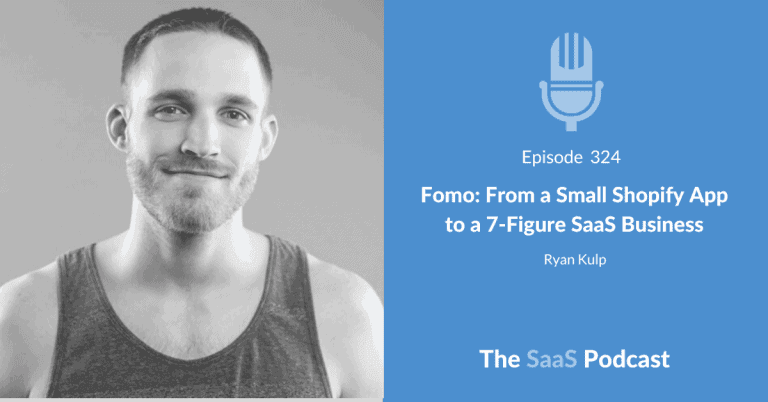
Fomo: From a Small Shopify App to a 7-Figure SaaS Business - Ryan Kulp

Ryan Kulp, Fomo

Fomo: From a Small Shopify App to a 7-Figure SaaS Business

Ryan Kulp is the former founder of Fomo, a social proof marketing solution that enables online businesses to show purchasing activity on their website automatically. In 2016, Ryan acquired a Shopify app called Notify (which later became Fomo) and grew it into a 7-figure SaaS business that he recently sold. The Shopify app already had a few hundred customers, so it was less about a zero-to-one problem and more about how to make the investment worthwhile and grow to thousands of customers so he could quit his job and work on it full time.

The Dangers of Building a SaaS on Someone Else’s Platform - Jordan Gal

Jordan Gal, Rally:

The Dangers of Building a SaaS on Someone Else’s Platform

Jordan Gal is the co-founder of Rally, a headless checkout that gives e-commerce merchants more control over their checkout experience. In 2014, after running his own e-commerce business for years, Jordan launched a simple abandoned cart app which eventually became a customizable checkout for Shopify merchants. By 2020, Jordan and his co-founder had found product/market fit, built a product that people loved, and were generating about $6M in annual recurring revenue and were profitable. And then everything fell apart. They experienced what every founder fears when building a business on someone else's platform. Shopify suddenly decided that it wasn't going to allow them to offer their checkout to any more Shopify merchants. In this interview, you'll learn how they overcame numerous challenges to grow to over $6M in ARR, how they handled the realization that their dream was crushed, and what they're doing differently now with their new SaaS company. I hope you enjoy it.

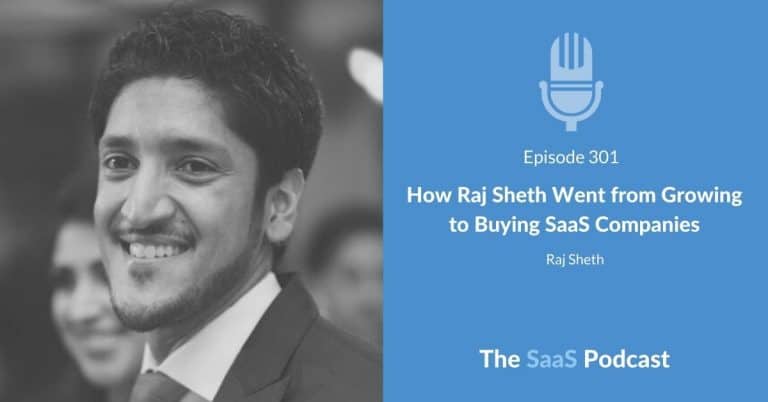
How Raj Sheth Went from Growing to Buying SaaS Companies - Raj Sheth

Raj Sheth, Decalab:

How Raj Sheth Went from Growing to Buying SaaS Companies

Raj Sheth is the founder and CEO of Decalab, a SaaS factory' that buys SaaS businesses that are doing between $1M and $3M ARR and helps them to grow faster and more efficiently. In 2020, Raj acquired a SaaS data migration company called FlyData. He turned that business around and sold it just over a year later for a 3X return on his investment. But it took a long time for Raj to have that kind of success. In 2006 he launched his first B2C software company which failed. A couple of years later he launched another B2C software company which also failed. In 2011, Raj co-founded RecruiterBox, a recruiting SaaS product which he and his co-founders grew to over $4M ARR with around 3,000 customers. They went on to sell that business to a private equity firm, but it took them 7 years to get there. So it was by no means an overnight success story. In this interview, we deep-dive into how the co-founders built RecruiterBox. We talk about how they used SEO, paid media, directory listings, and all kinds of other things to grow the business and the lessons they learned along the way. I hope you enjoy it.

Loomly: How We Grew Our SaaS to Over 7000 Customers - Thibaud Clement

Thibaud Clement

Loomly: How We Grew Our SaaS to Over 7000 Customers

Thibaud Clement is the co-founder and CEO of Loomly, a SaaS platform that helps marketing teams to streamline their social media communication and improve collaboration. Update: Loomly was acquired by ASG in 2021 and is now part of the Traject suite. Thibaud is no longer with the company. In 2015, Thibaud and his wife Noemie were running an advertising agency. They were working with clients in France and the US. But collaborating with them was time-consuming and inefficient. Nearly everything was done using spreadsheets. One day, Thibaud decided to build a software tool to make their lives easier. He was a self-taught Ruby on Rails developer, so he had enough knowledge to build something. The first version of what later became Loomly took Thibaud a few months to build. It didn't do much and was pretty basic. All people could do was upload an image, add text, and see a mock-up of what the post would look like on social media. But the tool helped them streamline how they collaborated with clients. And their clients loved the tool even though it didn't do much. So in 2016, they launched it as a product and 2 months later had their first paying customer. Today, Loomly generates north of $5M in annual recurring revenue (ARR) and is used by over 7000 marketing teams around the world. In this interview we talk about: I hope you enjoy it!

A Data-Driven Approach to SaaS Sales Management - Pete Kazanjy

Pete Kazanjy

A Data-Driven Approach to SaaS Sales Management

Pete Kazanjy is the co-founder of Atrium, a sales management tool that uses data and smart analytics to help sales leaders and managers improve team performance. He's also the author of Founding Sales, a book on startup sales for founders and other first-time sellers. And he's the founder of Modern Sales Pros, the world's largest sales operations, leadership, and enablement community. In 2009, Pete co-founded TalentBin, a talent search engine and recruiting CRM, which Monster Worldwide acquired five years later. After the acquisition, Pete led new product sales for over 600 sales reps at Monster. Although Pete is known as a sales thought leader, author, and speaker, he doesn't come from a sales background. He started in product marketing, became a founder, his startups' first sales rep, and accidentally became an early-stage sales leader.

Bootstrapping a SaaS from Zero to $55K MRR in 2 Years - Arvid Kahl

Arvid Kahl

Bootstrapping a SaaS from Zero to $55K MRR in 2 Years

Arvid Kahl is the founder and editor at The Bootstrapped Founder. He also co-founded FeedbackPanda, a SaaS productivity tool for online teachers. Arvid was working as a software engineer in Germany. He had to commute to his office three days a week. The train journey was a 5-hour round trip every day. He didn't have a great cell phone reception on the train, so he spent a lot of that time reading books and listening to podcasts including this show. Arvid is a long time listener of The SaaS Podcast which he's been listening to since 2015. Arvid always wanted to start his own business. He'd worked on different ideas over the years, but never had any success with any of them. So for two years on this train journey, he soaked up as much information as he could about what it takes to build a SaaS business and how to do it successfully. Eventually, he and his partner Danielle came up with another idea in 2017. It wasn't a super innovative or ground-breaking idea. In fact, it was pretty simple. By 2019, Arvid and Danielle had turned that idea into a successful SaaS business and they were able to sell it for seven figures. In this interview, you'll learn how Arvid and Danielle bootstrapped their SaaS business from zero to $55K monthly recurring revenue (MRR) in 2-years. We dig into what Arvid did differently with this idea that made the difference between success and failure. And despite a successful exit, you'll also learn about some of the key mistakes Arvid made and the decisions he regrets that created a lot of unnecessary stress and anxiety for him. I hope you enjoy it.

SaaS Startup Lessons Learned as a Serial Entrepreneur - Rob Kall

Rob Kall

SaaS Startup Lessons Learned as a Serial Entrepreneur

Rob Kall is the co-founder and CEO of Cien, a product that helps sales teams get an edge using AI to enhance the quality of their data and improve their productivity. As every founder knows, building a SaaS business is rarely easy. And if you're doing it for the first time, it can be particularly hard and you often wonder if you should keep going or not. So can we learn anything from serial SaaS founders who've built and sold several companies? In 2001, Rob Kall and his co-founder talked about starting a SaaS business. They liked building websites and were interested in real-estate, so decided to build websites for realtors. They didn't put much thought into it. It seemed like a good idea and they thought they could build better sites for realtors than the ones they'd seen. So they started a business. 3 years later, they sold that business for $80 million. Rob says he was lucky. He had a great idea at the right time and sold the company at the right time. But then he started a second SaaS business and sold that a few years later for $15 million. Was it luck again? Was it really just about being in the right place at the right time? Rob is now building his third SaaS business. He seems to be a natural serial entrepreneur and on the surface, it seems like it's been smooth sailing from one company to the next. But when you look below the surface you start to get a picture of how tough it's really been for Rob. It's the same roller coaster ride experienced by first time SaaS founders. At every step, you're faced with a big problem and then you find some breakthrough. And then you hit another big problem and another one. It doesn't stop. While luck plays a factor, it's really about your mental resilience, having faith in yourself and the ability to keep going. Those are the factors that create a successful founder and company. In this interview we talk about that journey, some of the challenges that Rob has faced along the way and what keeps him going through the tough times. I hope you enjoy it.

How to Build a SaaS Business You Can Sell - Thomas Smale

Thomas Smale

How to Build a SaaS Business You Can Sell

Thomas Smale is the founder of FE International, an M&A firm that helps business owners to sell their SaaS, e-commerce and content businesses. FE International offers comprehensive exit planning services, as well as direct access to an established network of pre-qualified international investors. And Thomas has consulted with hundreds of internet entrepreneurs on exit strategy, growth and business development. You're hoping to sell your SaaS business in the next year or two. But you're not sure where to begin and how to put yourself and your company in the best position for a sale.

SaaS Success & Failure: Lessons  from a $150M Exit & a Failed Startup - Hampus Jakobsson

Hampus Jakobsson

SaaS Success & Failure: Lessons from a $150M Exit & a Failed Startup

Hampus Jakobsson is a serial entrepreneur, angel investor and venture capitalist. He's currently a venture partner at BlueYard Capital, a VC firm based in Europe and an angel who's invested in over 80 companies. In 2002, Hampus co-founded TAT a company that developed and licensed mobile user interface software to companies such as Motorola, Samsung, and Nokia. TAT was acquired by Blackberry in 2010 for $150 million. In 2012, Hampus co-founded Brisk, a SaaS product designed to make sales teams more productive. That startup failed and was folded 4 years later in 2016. In this interview, we talk about how Hampus and his co-founders built TAT and sold it 8 years later for $150 million. We also discuss the lessons Hampus learned from the failure of Brisk and what he wishes he'd done differently. And we talk about life as an angel investor and VC. And Hampus shares what types of companies and founders he likes to invest in. I really enjoyed my conversation with Hampus and I hope you enjoy listening to this interview.

A SaaS Company That Went from Near Failure to an $8.3 Billion Exit - Mike Hilton

Mike Hilton

A SaaS Company That Went from Near Failure to an $8.3 Billion Exit

Mike Hilton is the chief product officer of Accolade, a healthcare technology platform that partners with large, innovative employers to simplify and improve healthcare for employees and their families. Previously, Mike was the co-founder of Concur, a travel expense and invoice management product. Mike and his two co-founders launched the business in 1993 from an apartment and self-funded it for the first year and. In 2014 (21 years later) they sold that business to SAP for a mind-blowing $8.3 billion. They started out with a Windows product which they sold for $69. And eventually became a SaaS business in 2001. And in order to build the SaaS business, they had to bet the entire company and risk all the revenue they were generating from their existing on-premise product. It's clearly not an overnight success story – the founders put 21 years into the business. And it wasn't all smooth sailing either. They became a public company in 1998 and grew to a market cap of $1 billion and a share price of $60. But within a couple of years, their market cap dropped from $1 billion to $8 million and their share price went from $60 to 27 cents! They were losing money and hemorrhaging employees. And they were written off for dead. But they figured out a way to keep going and eventually turned things around. It's a fascinating story and Mike is a great guest who shares it all. I hope you enjoy it.

A Founder’s Story: Selling a Bootstrapped SaaS Business - Sri Ganesan

Sri Ganesan

A Founder’s Story: Selling a Bootstrapped SaaS Business

Sri Ganesan is the Director of FreshChat, a modern messaging software product that helps businesses to have marketing, sales, and support conversations with customers. FreshChat started out as Konotor, a startup that Sri founded with a couple of friends. The founders originally set out to build a Whatsapp competitor. But realized that building a platform like that required a lot of capital. So they pivoted and focused on a mobile user engagement platform for 2-way messaging inside your app. Eventually, that product was acquired by FreshDesk and became FreshChat. We discuss that experience of selling a bootstrapped SaaS business. In this interview, you're going to hear that story and discover some interesting lessons. Firstly, Sri wasn't happy about how the sales guy on his team was pitching the product to customers. Sri felt that the sales guy was under selling the product by pitching just one basic feature instead of communicating the full value of the product. But in hindsight that turned out to be a smart decision by sales guy and Sri shares what he learned from that experience. Another great lesson Sri shares is how many customers kept asking them for a feature, but the founders didn't agree. They had a strong vision for their product and felt that this particular feature would move them away from that vision. So they never built it. But years later, after they were acquired, they did add that feature to their product which resulted in significant revenue growth. We talk about what that feature was and the lesson that Sri learned. It's a great interview. I hope you enjoy it.

Failing to Succeed: Lessons from a Failed Software Startup - Mike Muhney

Mike Muhney

Failing to Succeed: Lessons from a Failed Software Startup

Mike Muhney is the founder and CEO of VIP Orbit, a software company focused on building great contact management products. He launched their flagship product VIP Orbit in 2010 and they raised $6.5 million. Recently Mike had to shut down the business because he ran out of money and wasn't getting the traction that he'd hoped for.

SaaS Recurring Revenue: Lessons from a Former MMA Fighter - Dan Faggella

Dan Faggella

SaaS Recurring Revenue: Lessons from a Former MMA Fighter

Dan Faggella is the founder and CEO of TechEmergence, an artificial intelligence market research firm. TechEmergence helps companies to gain insights on the application and implications of AI and machine learning technologies. Prior to launching TechEmergence, Dan founded Science of Skill, an eCommerce business which he grew from zero to over $2 million in annual revenue in 4 years. He went on to sell that business for 7-figures. Dan is a very interesting guy. He's actually a former martial artist and MMA fighter who has been training other fighters. And Science of Skill initially started as a blog where he could teach more people. So what does this have to do with SaaS? Firstly, there are some valuable lessons that Dan shares on how he built a recurring revenue business. Those lessons will be useful for anyone focused on SaaS recurring revenue. Secondly, he talks about how he generated traffic for Science of Skill and a systematic approach he took to convert as many leads as possible into customers. So if you're struggling to find customers, you might get some useful tips. And thirdly, I think it's crucial that he thinks outside of the box and learn from people in different industries and types of businesses. I think that's how we can find more creative solutions to problems in our own space. So I hope you enjoy the interview.

How a Solo SaaS Founder Built and Sold His Startup for $36 Million - Gregg Pollack

Gregg Pollack

How a Solo SaaS Founder Built and Sold His Startup for $36 Million

Gregg Pollack is a software developer and serial entrepreneur. In 2011, he founded Code School, an online learning platform that teaches you programming and web design skills. And 5 years later, he sold that business for $36 million. He's also the founder of Envy Labs (a web consultancy) which he launched in 2009 and he's also the founder of Starter Studio, a business accelerator that combines mentorship with educational events to help startups in Orlando, Florida. I first came across him, years ago when I watched his Rails for Zombies tutorial to learn Ruby on Rails. And I'm glad to finally have him as a guest on this show.

How a $400 Startup Got Sold for $43 Million - Stuart Crane

Stuart Crane, Definitive Homecare Solutions

How a $400 Startup Got Sold for $43 Million

Stuart Crane is an entrepreneur and advisor. His previous company, Definitive Homecare Solutions, provided a software product for the home infusion pharmacy industry called CPR+. He and his co-founder started the business with just $400 and went on to sell it for $43 million. But this wasn't an overnight success story. It took them 20 years to build that business. And they had two failed attempts trying to sell the company before they were successful. We're going to talk about the successes, failures, and challenges of that 20-year journey and the lessons learned to help inspire you to keep going with your startup…

How a Failed Startup Helped Mike Muhney Find a $47 Million Idea - Mike Muhney

Mike Muhney, VIPOrbit

How a Failed Startup Helped Mike Muhney Find a $47 Million Idea

Mike Muhney is the co-founder and CEO of VIPOrbit Software, a company focused on building great contact management products. Their flagship product, Vipor CRM is available on iOS & Mac platforms. The company was founded in 2010 and to date has raised over $4 million in funding. In 1986, Mike co-founded a software business that eventually failed. And with only $15,000 remaining from an angel investment of $100,000, they had to come up with another idea or close down the business. The idea they came up with was ACT! Contact Management Software, which they eventually sold for $47 million.

How Nick Kellet Sold His Startup for Millions & Created a Board Game - Nick Kellet

Nick Kellet, Listly

How Nick Kellet Sold His Startup for Millions & Created a Board Game

Nick Kellet is the co-founder of Listly, a product that helps bloggers & publishers engage their audience with continuously evolving lists. According to Listly, 30% of all content on the web is built around lists. But these lists can quickly get stale and don't do much to engage the audience. So Listly, allows bloggers, content marketers, and publishers to create interactive lists which they can embed on their own site or syndicate across other sites. In 1999, Nick sold his software product called AnswerSets to Business Objects for over $8 million. A few years later, he came up with the idea for a board game while talking to his daughter. Without knowing anything about the toys & games business, he jumped into the deep and launched a new board game which has won multiple awards and sold almost 100,000 copies worldwide.

7 Proven Strategies for Launching an Online Marketplace - Aaron Epstein

Aaron Epstein, Creative Market

7 Proven Strategies for Launching an Online Marketplace

Aaron Epstein is the co-founder of Creative Market, an online platform that lets you sell and buy handcrafted, mouse-made design content such as fonts and graphics. He launched his first software product called Color Schemer when he was still in college and went on to grow that into a 6-figures a year business. A few years later he met his co-founders and combined forces to work on an online creative community called COLOURlovers and eventually went through Y-Combinator. COLOURlovers grew into a community with over a million users. In 2012, they launched Creative Market and raised $2.3M dollars in funding, and 3 years later, sold Creative Market to Autodesk for an undisclosed amount.

What Happens When You Stop Second Guessing & Trust Your Instincts - Aaron Epstein

Aaron Epstein, Creative Market

What Happens When You Stop Second Guessing & Trust Your Instincts

Aaron Epstein is the co-founder of Creative Market, an online platform that lets you sell and buy handcrafted, mouse-made design content such as fonts and graphics. He launched his first software product called ColorSchemer when he was still in college and went on to grow that into a 6-figures a year business. A few years later he met his co-founders and combined forces to work on an online creative community called COLOURlovers and eventually went through Y-Combinator. COLOURlovers grew into a community with over a million users. In 2012, they launched Creative Market and raised $2.3M dollars in funding, and about 16 months later, sold Creative Market to Autodesk for an undisclosed amount.

Part 2 – How a Guy in Canada Built 3 Multi-Million Dollar Businesses by Age 30 - Andrew Wilkinson

Andrew Wilkinson, Metalab

Part 2 – How a Guy in Canada Built 3 Multi-Million Dollar Businesses by Age 30

Andrew Wilkinson is the founder of MetaLab and Flow. Metalab is a design agency that Andrew founded when he was just 20 years old and has grown it into a business with over 60 employees. MetaLab is the design team behind Slack which is now valued at $2.8 billion. And Flow is a task management SaaS application for teams which is used by companies like Etsy, Tesla, Adobe, and TED.

How This Founder Sold His Company for ‘Millions’ in Just 9 Months - Grant Miller

Grant Miller, Replicated

How This Founder Sold His Company for ‘Millions’ in Just 9 Months

Grant Miller is the co-founder of Replicated, a service that solves the problem for companies who want to install & deploy a SaaS application inside their own firewall. Previously, he was the co-founder of Look IO, a mobile live-chat problem that was acquired by LivePerson after just 9 months.

The Automatic Customer: Creating a Subscription Business in Any Industry - John Warrillow

John Warrillow, The Value Builder System

The Automatic Customer: Creating a Subscription Business in Any Industry

John Warrillow is the founder of The Value Builder System, a company that helps business owners improve the value of their company. Prior to starting The Value Builder System, John started and exited four companies, including a market research business that was acquired in 2008. John is the author of the bestselling book Built to Sell: Creating a Business That Can Thrive Without You, which was recognized by both Fortune and Inc Magazine as one of the best business books of 2011. His latest book, The Automatic Customer: Creating A Subscription Business In Any Industry was released by Random House in February 2015. John has been recognized by B2B Marketing as one of the top 10 business-to-business marketers in the United States.

Why Stu McLaren Quit His Successful 7-Figure Software Business - Stu McLaren

Stu McLaren, Wishlist Member

Why Stu McLaren Quit His Successful 7-Figure Software Business

Stu McLaren is the founder of Wishlist Member, a powerful and easy to use a plugin  that can turn any WordPress site into a full-blown membership site. Wishlist Member powers over 54,000 online communities and membership sites worldwide. Stu is also the founder of Rhino Support, a helpdesk SaaS application.

How Gary Swart Built the World’s Largest Online Workplace - Gary Swart

Gary Swart, ODesk

How Gary Swart Built the World’s Largest Online Workplace

Gary Swart is a Venture Partner at Polaris Partners, an 18-year old venture capital firm. Gary is also the former CEO of Odesk, the world’s largest online workplace with over 1 million clients and 5 million freelancers. He joined the company as its CEO in 2005 and has guided the company to industry leadership and through their recent merger with Elance.

How Jon Ferrara Sold His Company for $125M and Went Nimble - Jon Ferrara

Jon Ferrara, Nimble

How Jon Ferrara Sold His Company for $125M and Went Nimble

Jon Ferrara is the founder and CEO of Nimble, a social CRM service for small businesses. He's a serial entrepreneur and a pioneer in the customer relationship management (CRM) industry. He co-founded GoldMine, one of the first contact management apps in 1989, which grew into a very successful venture that he eventually sold for $125 million. John shares with me how he started GoldMine with just $5000 and how they never took a dime of venture capital money or loans. He tells us about a big personal challenge he faced after selling GoldMine that changed his life forever. And he explains how Nimble is more than just another CRM solution.