Validate by Revenue, Not Feedback - The 11-Products-in-4-Months Framework
The Framework
Most founders validate ideas the wrong way. They count signups, downloads, weekly active users, "interested" replies, and waitlist emails. Then they spend a year building. Then they realize none of those signals meant anything.
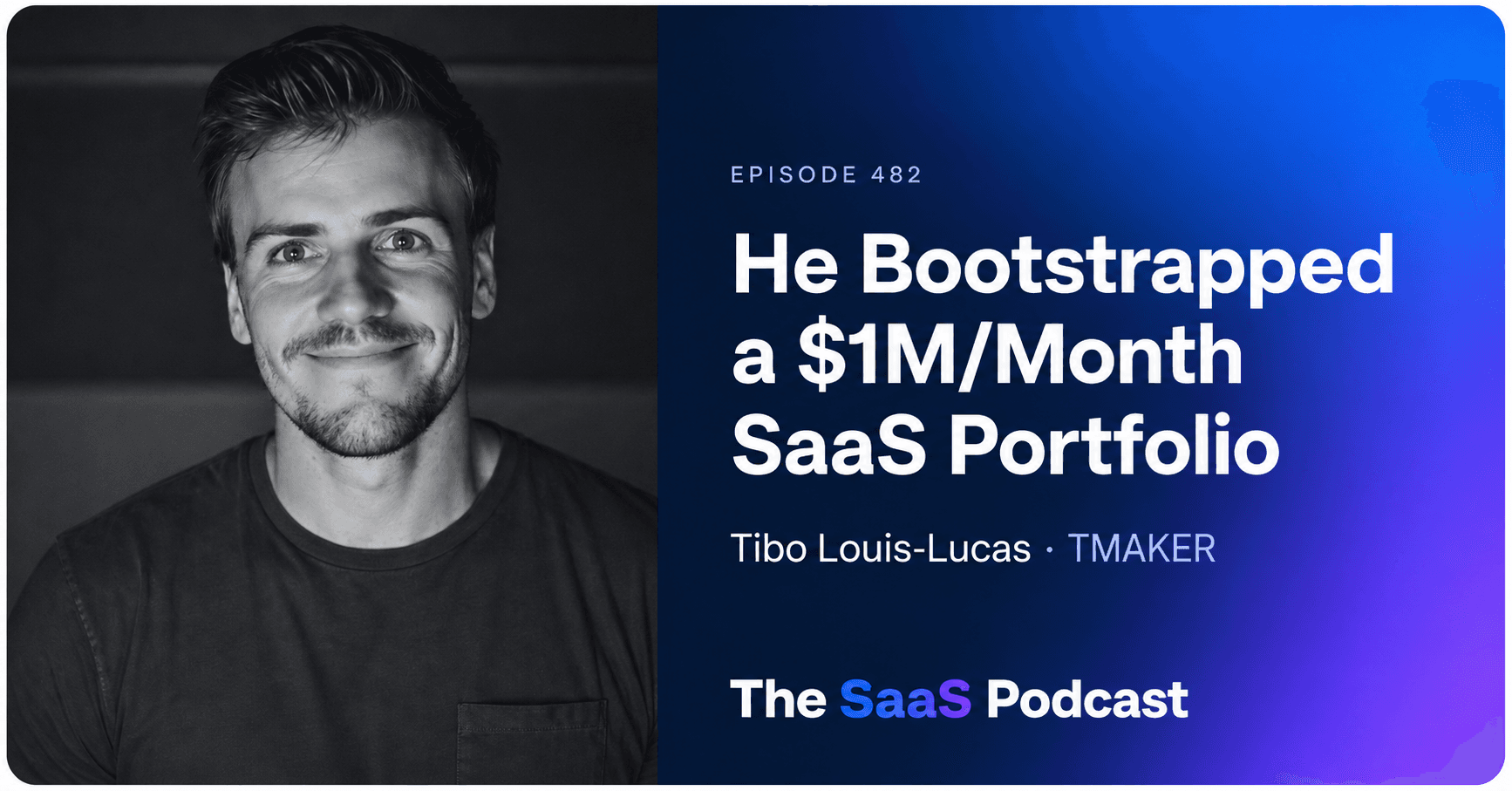
Tibo Louis-Lucas spent two years on a single product before it failed. Then he raised €700K, burned it, and walked away with €250K in personal debt. After that, he and his co-founder Tom built 11 products in 4 months on unemployment benefits. Ten flopped. The eleventh was Tweet Hunter.
The shift was simple. Stop measuring interest. Start measuring revenue. The framework is "ship, charge, and only the products that make money survive."
The 4 Steps
-
Pick one niche, one positioning, build inside it. Tibo and Tom picked founders and creators in the booming creator economy. Every product they built was for that same buyer. Same audience. Same channels. Different wedge each week. This is what made the 11-product sprint possible. Common mistake: jumping niches between products and resetting your distribution every time.
-
Build the smallest thing that can take a credit card. Most weeks Tibo did not even ship a working product. He shipped a landing page with a "request access" form, then counted email signups. If volume was high, he built the product. He reused one backend across all products and "was not bothering recreating project, I was recycling everything." Common mistake: over-building before any payment signal.
-
Use revenue as the only kill criteria. Not signups. Not feedback. Not "this is interesting." Tibo's previous mistake was "looking at average weekly active users or just downloads of our app as a signal for success." Now: someone has to put in a credit card. Common mistake: confusing engagement with willingness to pay.
-
Watch for unprompted month-two revenue. The strongest signal is recurring usage and recurring payment when you stop pushing. Tibo: "If you don't tweet, don't post on Reddit, like do nothing during the day and still get some new signups and subscription, this is another very strong signal." Month-two retention without effort is the green light to go deeper.
Real Numbers
Tibo and Tom's 4-month sprint produced 11 products. Ten were killed.
The community search engine product hit early revenue, but Tibo killed it because "you basically only launch once. And so people just paid once, were using it a bit, they were doing the launch and then just skip." Revenue alone was not enough. Recurring revenue was the bar.
Tweet Hunter passed every signal. Recurring users. Constant flow of new signups. Demand "started to get overwhelming." From there, $0 to $1K MRR in month 2. $3K to $20K MRR in 3 weeks after the JK Molina launch.
The 10 deaths funded the one win.
When It Fails
This framework breaks if you cannot build fast or your buyer cannot decide fast. Enterprise buyers with 6-month sales cycles will not give you a credit-card signal in a week. Deep technical products that require months of work to demo will not fit a one-week ship cycle.
Signal you should switch: you keep building landing pages and getting zero email captures across multiple positionings. The niche is wrong before the products are wrong.
Your First Move
Pick the next two product ideas in your head. This week, ship a landing page for both with a $X/month price and a Stripe checkout. Drive traffic from one channel for 7 days. The one with paying customers (not signups, not emails) is your next product. The other one dies. Two hours of work each. Stop guessing.
Ready to build your SaaS with founders who get it?
Join thousands of SaaS founders getting weekly insights and proven strategies from real founder conversations.
Free weekly newsletter · No spam