Things got worse after we raised $20 million
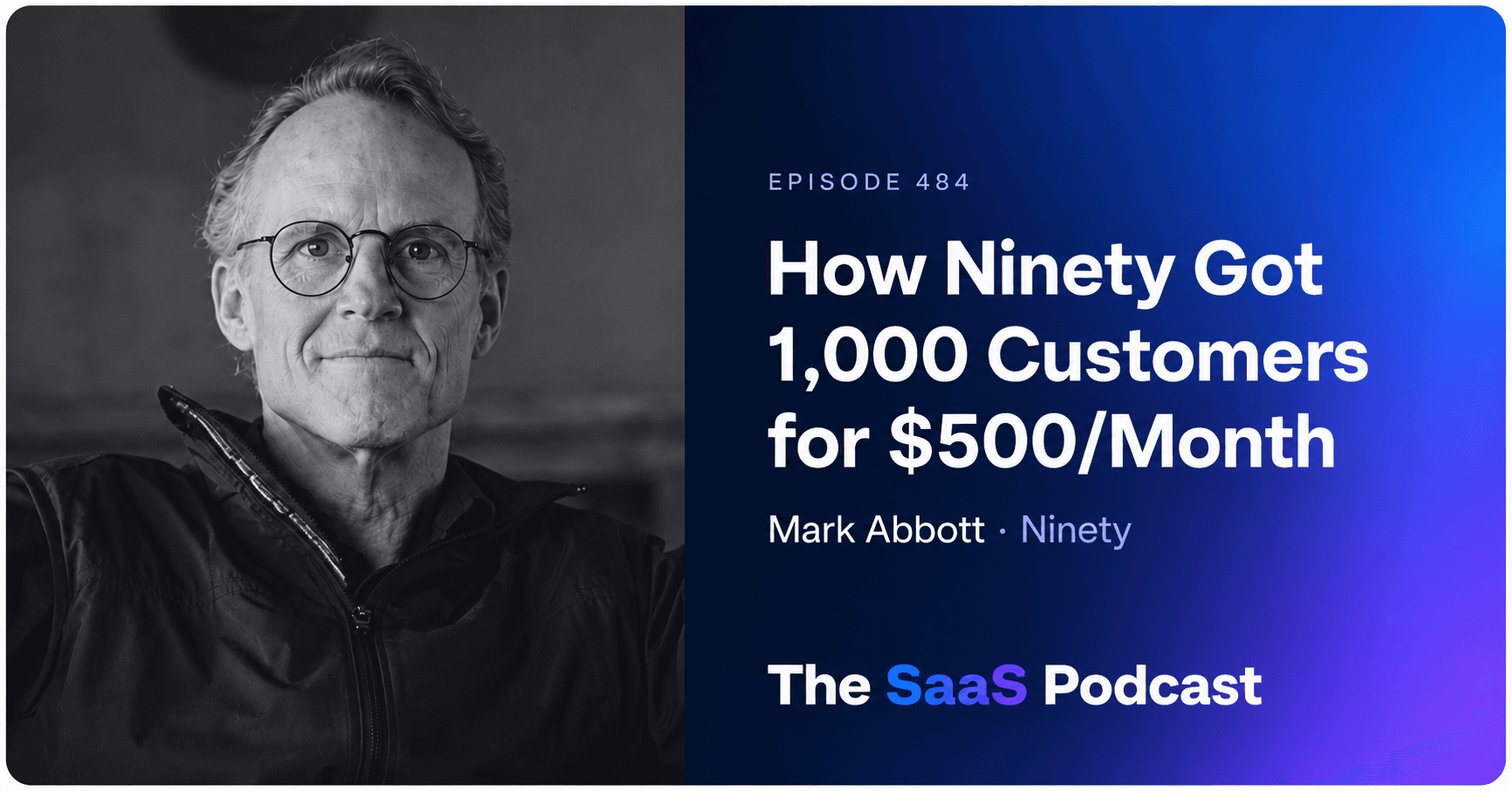
The Mistake
You raise a Series A. You finally have money to go faster. So you hire. You hire fast. You hire people who have done it before at bigger companies. The deck says exactly that: experienced operators, A-players, ready to scale.
Then six to twelve months later, the team feels worse than it did before the round. The people who built the thing are clashing with the people you hired to scale it. Decisions slow down. Culture wobbles. You wonder where the speed went.
That is the trap Mark Abbott walked into after Ninety closed its $20M Series A with Insight Partners. "You know, we did stupid things because once you have 20 million, you can go faster." He says it plainly. It is the most common Series A mistake in SaaS.
Why Founders Make It
Three pressures push founders into it.
First, the round resets the clock. Your investors and your team are watching for acceleration. Hiring is the most visible way to show progress.
Second, the playbook says hire ahead of need. Every operator post on LinkedIn tells you to build the bench before you hit the wall. So you hire a VP of Marketing, a VP of Product, a VP of Engineering. Three playbooks land at once.
Third, you over-index on prior experience. Mark had run public companies before. He hired people who had also operated at scale. The flawed reasoning: people who have done it bigger will accelerate us. The reality: people who have done it bigger know a different game.
How Mark Lost Momentum
The timeline is in his words. The Series A closed in 2021. Money in, hire fast. Mark started bringing in executives across marketing, product, and engineering.
"They all come with their own playbooks. And next thing you know, I've got this mess on my hands because everybody's bringing their own playbooks. They're actually trying to create their own cultures. They have their own levels of sort of a pace and various levels of ambiguity that they're comfortable with."
Then the cascade. Senior hires started overseeing more junior people who had been there since the early days. Those junior people listened to the senior playbooks because they sounded smart. Alliances formed. Decisions got contested. Mark says, "you're starting to lose control of things."
His own diagnosis, said straight: "in my mind, I made a number of bad hiring decisions."
The cost was not measured in churn metrics he shared on the show. It was measured in pace, ambiguity, and what he calls fit for the stage you are actually in. Hires built for a 200-person company drag a 40-person company sideways.
The Fix (If You're Making It Now)
- Stop hiring at the senior level for 60 days. No new VPs, no new directors. Pause until you can answer: what is the stage we are actually in, today?
- Audit the playbooks already in the building. For each senior hire who joined post-raise, ask which playbook they brought and whether it fits the current stage. Some will. Some will not.
- Pick a pace, name it out loud. Mark's lesson: the marketplace dictates culture, not the founder. Define the pace your market demands and the ambiguity tolerance it requires. Hire only to that profile from now on.
The Signal to Watch
Watch how long it takes to ship a meaningful product or go-to-market change. If decisions that took a week pre-raise now take a month, you are not scaling. You are absorbing playbook conflict. Measure it weekly. If the lag grows, you have a hiring problem, not an execution problem.
Ready to build your SaaS with founders who get it?
Join thousands of SaaS founders getting weekly insights and proven strategies from real founder conversations.
Free weekly newsletter · No spam