Decide Who You Would Rather Die Than Betray Before You Touch a Single Legal Document
The Framework
Most founders run governance backwards. They start with the legal documents, get lost in the jargon, and end up signing whatever their lawyer puts in front of them. By the time they realize the docs do not match their values, the company has already drifted.
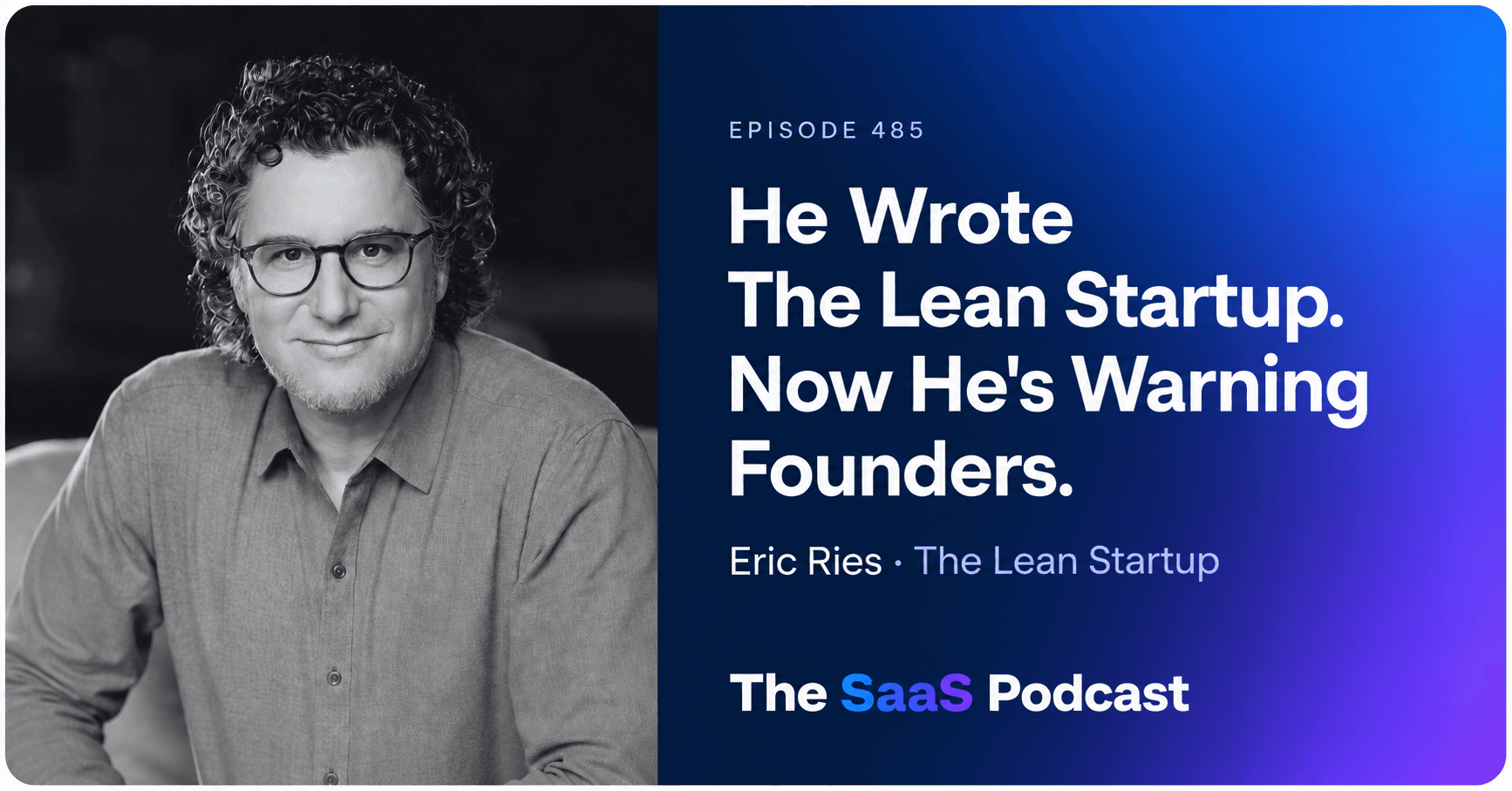
Eric Ries, author of The Lean Startup and Incorruptible, flips the order. Before any legal filing, before any board structure, before any PBC conversion, you answer one question with your co-founders. Who would we rather die than betray?
The framework forces you to name the constituency you are actually willing to sacrifice for. Then every legal and structural decision follows from that answer. Without the answer, you are using best-practice templates that already have a default constituency baked in: outside investors.
The 4 Steps
-
List your constituencies. Customers, employees, investors, suppliers, the broader community. Be specific. Do not write "stakeholders." Write the names of the people whose well-being you would defend.
-
Pick the priority order, out loud, with your co-founders. Eric cites three patterns from the founders who built durable companies. Saul Price ordered them customers, employees, shareholders. Peter Drucker ordered them employees, customer, shareholders. Johnson and Johnson's credo ordered them patients, doctors and nurses, employees, shareholders last. The common thread: shareholders last in all three.
-
Stress-test with the LTSE ultimatum. Eric's team at the Long Term Stock Exchange got an ultimatum from regulators, hedge funds, and policymakers: capitulate or die. Eric got every team member on the phone in the middle of the night and asked them to vote. Every single one said no, we would rather die than capitulate. That is what the question is for. If your co-founders cannot answer it the same way you would, you do not yet have alignment. Find out now, not during the ultimatum.
-
Then call the lawyer. Charter language, PBC conversion, board structure, mission clauses, dual-class shares, sunset provisions. All of it derives from the answer. Eric: "Your lawyer works for you. Do it." The framework gives you the spine to override the default templates.
Real Numbers
Eric on the LTSE moment: "every single one of them said, no, we'd rather die than capitulate." That answer is not metaphorical for him. The team had left lucrative jobs and careers. The hedge fund coalition had invited Eric to listen in on their strategy sessions to make the threat explicit. He thought the company was dead. It was not. The principled answer ended up being the one that worked.
Compare that to Vectura's board, voting unanimously to sell to Philip Morris for an extra 10 pence per share (about 15 cents) because they had never answered the question and the default fiduciary duty answered it for them.
When It Fails
The framework fails if you treat it as a one-time exercise. Mission drive, Eric's term for the version that actually works, requires the business model itself to be aligned with the mission so tightly that the company "has no way of making money except by accomplishing the mission." A poster on the wall is not mission drive. A charter is. Pricing and compensation structures that reward serving the priority constituency are.
It also fails if you have already taken capital from investors whose primary expectation is shareholder primacy. You can still install structural protections, but expect resistance. Plan for it.
Your First Move
Block 90 minutes with your co-founders this week. Phones off. No agenda except this: who would we rather die than betray, in order? Write the answer down. Then send it to your lawyer with one instruction. Make the charter say this.
If you cannot get your co-founders to agree on the answer, you have found a more important problem than the legal documents.
Ready to build your SaaS with founders who get it?
Join thousands of SaaS founders getting weekly insights and proven strategies from real founder conversations.
Free weekly newsletter · No spam