You Can Be 15% Ahead of the Market, Not 80%
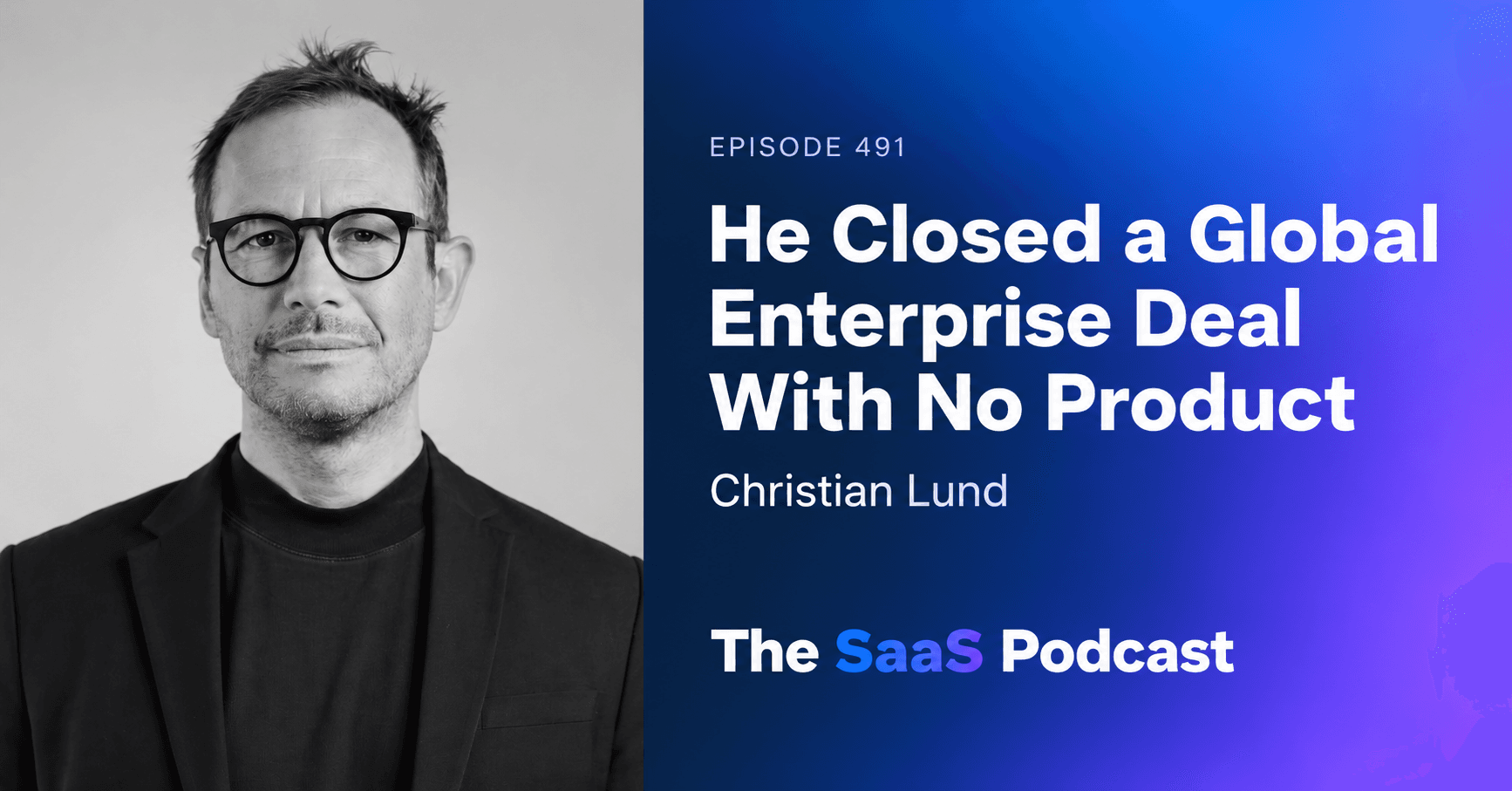
The Mistake
Getting the vision right and still losing, because you were too early. Christian Lund, co-founder of Templafy, made this exact mistake with AI, and he'd made a version of it before.
Templafy decided to rebuild its whole technology foundation for AI, the same bet-the-company reset it had pulled off during the cloud shift. The technology call was right. The problem was the messaging. "We were way too far ahead too early when we communicated to customers about how the new world was. Our thought leadership was way too early, and that hurt us a lot."
Being right about the future is worthless if you describe a future your buyers can't see yet.
Why Founders Make It
You mistake your conviction for the market's readiness. After you've lived in the problem for years, the future feels obvious. It is not obvious to a buyer solving today's problem.
Being early once worked, so you trust it blindly. Christian had won by being ahead on cloud. That success made "get out in front" feel like a rule instead of a judgment call.
Vision feels safer to talk about than the boring near-term. Painting the grand future is more exciting than meeting a customer where they actually are. So founders over-index on the far horizon.
How Christian Lost Momentum
While Templafy pitched how AI should let enterprises "reclaim control" of how the whole business runs, buyers were asking a smaller question: how does AI help one person in my company today?
The gap cost real ground. "That just meant that we were disqualified in some conversations, and also we opened up the door for other players, competitors, to just take that path." Simpler competitors offered the near-term version buyers wanted and walked through the door Templafy left open. Christian's summary: "it took us way too long to understand that you had to get the user first."
So the mistake wasn't a wrong strategy. It was a right strategy narrated 80% ahead of the room.
The Fix (If You're Making It Now)
-
Reset your pitch to 15% ahead, not 80%. Christian's rule: "You can be fifteen percent ahead, but not eighty percent ahead. Then you just lose everyone in the discussion." Lead with the near-term win the buyer can act on this quarter.
-
Sell today's user value, seed tomorrow's vision. Get in on the concrete help AI gives an individual now. Earn the right to the bigger narrative once you're inside.
-
Keep the far vision for building, not selling. Your roadmap can be 80% ahead. Your sales conversation cannot.
The Signal to Watch
Watch your win-rate against simpler, "lesser" competitors. If buyers keep choosing a more basic tool over your clearly-better vision, that's not a product gap. It's a distance gap. You're describing a world they haven't arrived in.
Second signal: listen for how far your own explanation reaches before the buyer's eyes glaze. If you have to teach them a new worldview before they'll buy, you're too far ahead. Close the distance to 15%, and the same vision that was losing you deals starts winning them.
Ready to build your SaaS with founders who get it?
Join thousands of SaaS founders getting weekly insights and proven strategies from real founder conversations.
Free weekly newsletter · No spam